
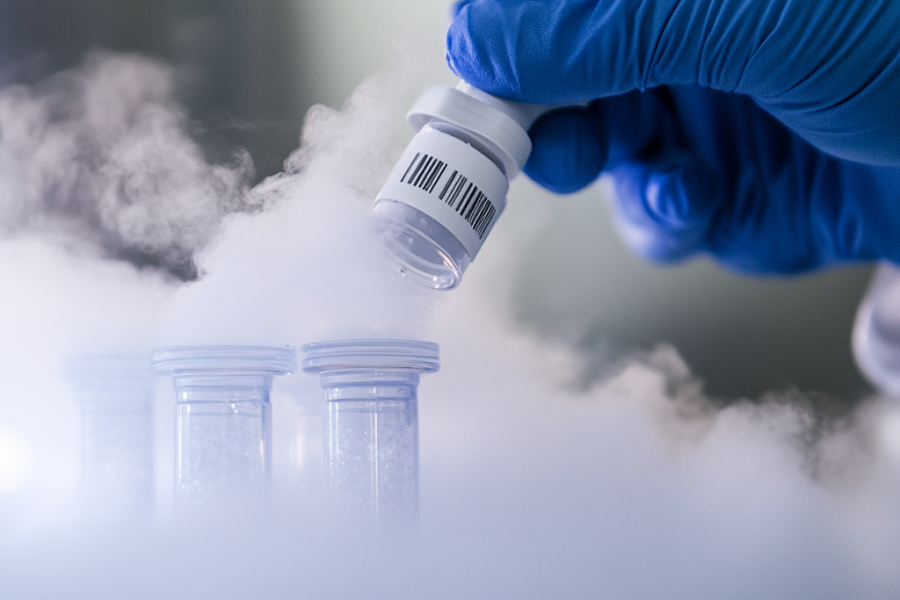
Clinical trials and laboratory research rely heavily on precise sample handling. From biotech startups to university laboratories, maintaining the integrity of sensitive specimens is critical for reliable results and regulatory compliance. One of the most effective tools for preserving biological materials during transport and storage is dry ice.
For research institutions and labs in Madison, WI, and nearby communities like Sun Prairie, Fitchburg, Middleton, and Verona, partnering with a trusted local supplier like A+ Heler’s ensures that dry ice is delivered safely, consistently, and in compliance with all relevant guidelines. Using dry ice correctly minimizes degradation, contamination, and potential delays in critical experiments.
Why Dry Ice Matters in Clinical Trials and Research
Dry ice, solid carbon dioxide at -78.5°C, offers unique advantages for laboratory and clinical applications:
- Ultra-Low Temperatures: Dry ice can preserve samples far below the capabilities of traditional refrigeration, slowing enzymatic activity and halting bacterial growth.
- Residue-Free Cooling: Unlike wet ice, dry ice sublimates directly into CO₂ gas, leaving no water behind that could compromise sensitive specimens.
- Transport Versatility: Dry ice is ideal for both short-term shipments and extended cold chain logistics, maintaining consistent temperatures across distance and time.
In clinical trials and laboratory research, where even minor variations in sample conditions can skew results, dry ice provides reliable, reproducible preservation.
Preparing Samples for Dry Ice
Proper sample preparation is the first step in ensuring effective cold chain management:
- Packaging Materials: Use insulated containers specifically designed for dry ice shipments. Styrofoam boxes, high-density polystyrene, or specialized lab shippers are preferred.
- Secondary Containment: Samples should be double-bagged or placed in leak-proof vials to prevent contamination.
- Labeling: Clearly label contents, temperature requirements, and handling instructions. Include any regulatory documentation needed for clinical trial compliance.
- Dry Ice Quantity: Calculate the amount of dry ice required based on sample volume, transit time, and ambient conditions to avoid sublimation issues or temperature excursions.
Following these preparation practices helps ensure that samples arrive in perfect condition, whether they’re moving between labs in Madison or to partner research facilities across the Midwest.
Maintaining Sample Integrity During Transport
Transportation is one of the riskiest stages for biological samples, but dry ice can help mitigate threats if used correctly:
- Consistent Temperature Monitoring: Use temperature indicators or data loggers to track conditions throughout shipment.
- Minimizing Transit Time: Schedule deliveries with trusted local couriers who are familiar with the Madison area and can respond quickly to STAT or urgent requests.
- Proper Ventilation: Dry ice sublimates into CO₂ gas, which can accumulate in enclosed spaces. Shipments must allow for gas venting to prevent pressure build-up.
- Training for Handlers: Drivers and lab personnel should be trained in OSHA, IATA, and biohazard handling procedures to ensure both safety and compliance.
A+ Heler’s local presence ensures quick access to dry ice and trained support, reducing the likelihood of delays or temperature excursions for Madison labs and clinical trial sites.
Best Practices for Storage
Even when samples are not in transit, proper storage practices are critical:
- Use Appropriate Containers: Place dry ice in well-insulated storage bins or lab shippers to maintain temperature and extend sublimation life.
- Monitor Levels: Check dry ice regularly and replenish before it fully sublimates to prevent temperature spikes.
- Avoid Airtight Containers: Dry ice generates gas as it sublimates. Containers must allow CO₂ to escape safely to prevent dangerous pressure buildup.
- Separate from Direct Contact: Sensitive samples should not touch dry ice directly unless specifically designed for that contact, as extreme cold can cause freezing damage.
Following these guidelines ensures long-term viability for specimens, reagents, enzymes, or probiotics used in clinical trials and research experiments.
Regulatory and Compliance Considerations
Labs and clinical trials operate under strict regulations. Using dry ice safely and legally requires understanding applicable rules:
- IATA Guidelines: All dry ice shipments must comply with airline regulations for carbon dioxide and hazardous materials.
- HIPAA and PHI Considerations: Patient-related samples must maintain confidentiality and secure chain-of-custody during transport.
- OSHA Safety Standards: Ensure staff handling dry ice are trained and equipped with proper protective gear.
- FDA/Clinical Trial Protocols: Clinical trial samples often have protocol-specific temperature ranges that must be strictly maintained.
Partnering with a supplier familiar with these regulations, like A+ Heler’s in Madison, helps ensure compliance and reduces risk for research institutions.
Practical Applications in Research
Dry ice has a wide range of uses in clinical trials and lab research:
- Transporting Biological Samples: Blood, serum, tissue biopsies, and cell cultures remain viable during short or long-distance shipments.
- Storing Enzymes and Probiotics: Many bioactive materials degrade at higher temperatures; dry ice maintains their stability.
- Experimental Reagents: Temperature-sensitive reagents can be kept at required low temperatures during transport or storage.
- Cold Chain Validation: Dry ice can be used to simulate shipping conditions for new protocols or to test container performance.
These applications make dry ice indispensable for biotech companies, university labs, and research institutions in Madison and surrounding areas.
Partnering with a Local Supplier
Local sourcing of dry ice provides numerous benefits:
- Rapid Access: Fresh dry ice produced nearby reduces sublimation losses and ensures high-density performance.
- Expert Guidance: Suppliers like A+ Heler’s can advise on quantities, storage methods, and handling procedures tailored to specific research needs.
- Customized Service: Whether small experimental batches or bulk lab orders, local suppliers can adjust to your schedule and volume.
- Reduced Transportation Risk: Shorter delivery distances in Madison, Sun Prairie, Middleton, and Fitchburg reduce transit time and temperature fluctuations.
Working with a trusted local supplier simplifies logistics and enhances confidence in sample integrity for every experiment or trial.
Safety Tips for Laboratory Staff
Even when using dry ice correctly, safety precautions are essential:
- Wear Protective Gear: Insulated gloves, face shields, and lab coats prevent frostbite and skin injury.
- Ensure Ventilation: Keep dry ice in ventilated areas to prevent CO₂ accumulation.
- Train Staff: Everyone involved in handling or shipping dry ice should understand hazards and emergency procedures.
- Follow Protocols: Adhere to lab SOPs for handling, storage, and disposal to protect staff and samples.
Implementing these precautions minimizes risk while maximizing the benefits of dry ice in research workflows.
Why A+ Heler’s Is a Trusted Partner
Madison-area biotech firms, university labs, and research institutions rely on A+ Heler’s because we combine:
- Expertise: Decades of experience in dry ice applications for labs and clinical settings.
- Compliance: Knowledge of regulatory requirements and safety protocols.
- Reliability: Fresh, high-density dry ice available when and where you need it.
- Local Presence: Quick response for emergency orders, STAT shipments, and routine deliveries in Madison and surrounding communities.
Partnering with a local supplier ensures continuity, quality, and peace of mind for lab operations and clinical trial timelines.
Conclusion
Dry ice is a powerful tool for maintaining the integrity of samples in clinical trials and laboratory research. Its ultra-low temperatures, residue-free sublimation, and ability to maintain consistent conditions during transport and storage make it essential for biotech companies, research institutions, and university labs in Madison, WI, and surrounding areas.
By following best practices for handling, storage, transport, and regulatory compliance, labs can protect valuable specimens, ensure accurate results, and minimize disruptions in research timelines.
For Madison-area labs and clinical trial teams, A+ Heler’s provides the expertise, local service, and high-quality dry ice you need to keep your samples safe and your experiments running smoothly. Contact us today to learn how we can support your research and clinical needs.
