
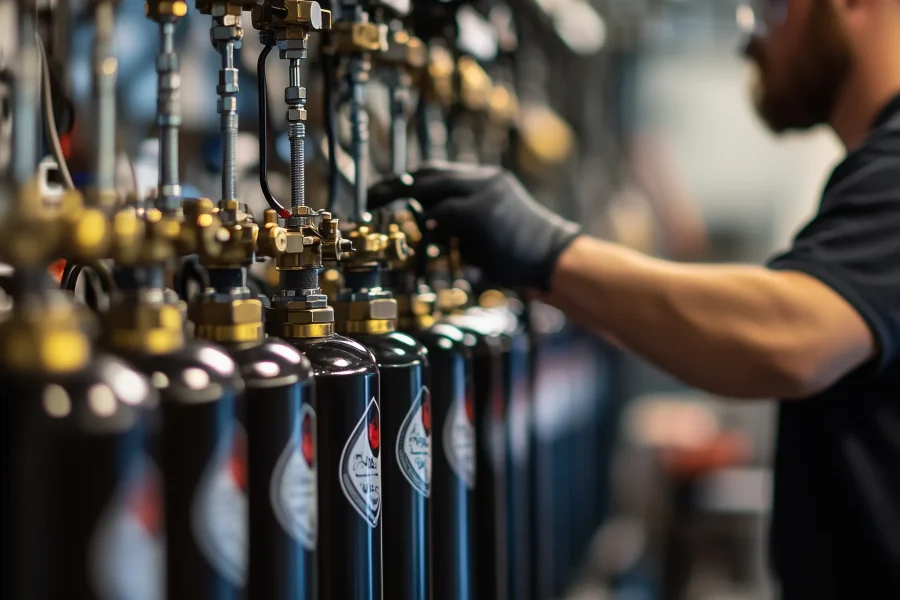
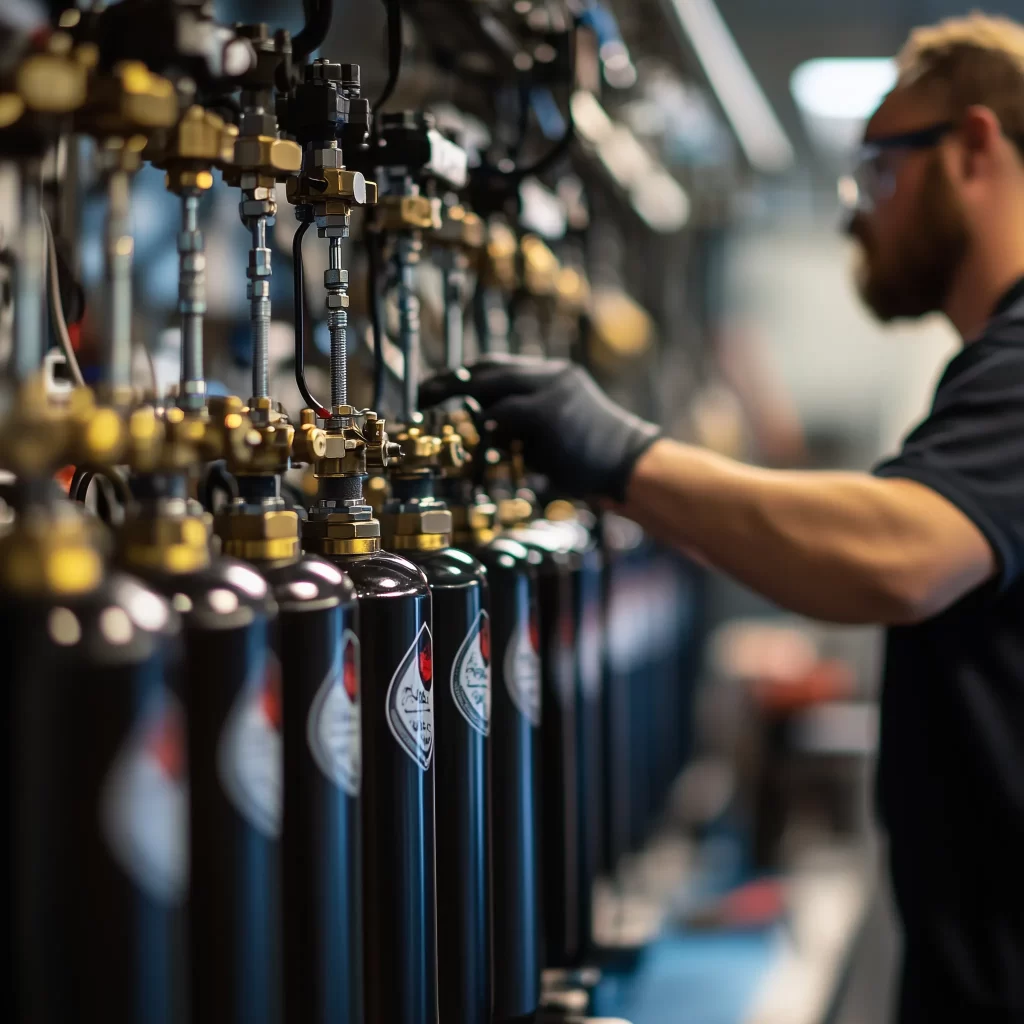
Carbon dioxide (CO2) cylinders are vital for bars, restaurants, breweries, and beverage operations. They’re used for everything from carbonating beer and soda to operating draft systems and supporting specialty beverage production. Despite being non-flammable and relatively safe when handled correctly, CO2 cylinders require careful maintenance and proper refill practices to ensure uninterrupted service, maintain quality, and protect staff and customers.
Downtime due to an empty cylinder, a faulty regulator, or improper handling can be costly—affecting sales, customer satisfaction, and workflow efficiency. At A+ Heler’s, we provide high-quality, beverage-grade CO2 and expert guidance to small businesses to help them maintain smooth operations. In this guide, we’ll explore key maintenance tips, refill best practices, safety measures, and strategies to avoid downtime.
Understanding CO₂ Cylinders
CO₂ cylinders store pressurized carbon dioxide and come in various sizes, from small 5-pound cylinders for restaurants to large industrial tanks used in breweries. Cylinders can store CO₂ either as compressed gas or liquid under pressure, depending on size and intended use. Each cylinder has a regulator, valve, and safety relief system designed to control gas flow and prevent over-pressurization.
Proper maintenance of cylinders is crucial because improper handling or neglect can lead to leaks, regulator failure, contamination, or safety hazards. For food and beverage operations, maintaining the integrity of the cylinder also ensures that CO2 delivered is clean, beverage-grade, and free from contaminants that could affect taste or carbonation.
Key Maintenance Practices
1. Regular Cylinder Inspection:
Check cylinders frequently for damage, corrosion, dents, or leaks. Even minor surface damage can compromise the cylinder’s safety. Look for rust, pitting, or any cracks, especially around the base and valve area. A damaged cylinder should never be used and should be returned to a certified supplier like A+ Heler’s for replacement.
2. Check the Regulator and Connections:
The regulator is a critical component that controls gas pressure and flow. Inspect regulators, hoses, and connections for wear, cracks, or leaks. Make sure fittings match the cylinder type and size. Using mismatched or damaged regulators can lead to inconsistent gas delivery or dangerous pressure buildup.
3. Leak Testing:
Use soapy water to test for leaks around the valve and connections. Small bubbles indicate escaping gas, which should be addressed immediately. Leaks not only waste CO₂ but also pose safety hazards. For bars or breweries, even minor leaks can affect carbonation consistency and beverage quality.
4. Valve Protection:
Keep valve caps in place when cylinders are not in use. Avoid dropping or striking the valve, as it is the most vulnerable part of the cylinder. Damaged valves can cause uncontrolled gas release or fail to seal properly during refills.
5. Storage Safety:
Store cylinders upright in cool, dry, well-ventilated areas. Secure them with chains or racks to prevent tipping. Avoid storing near heat sources, direct sunlight, or flammable materials. CO2 is heavier than air and can displace oxygen in confined spaces, so proper ventilation is critical to prevent asphyxiation hazards.
Refill Best Practices
1. Use a Trusted Supplier:
Always refill cylinders through a certified supplier that provides beverage -grade CO2. Using unverified sources risks contamination, which can affect beverage taste and safety. A+ Heler’s provides timely refills, quality assurance, and guidance for handling cylinders safely.
2. Verify Cylinder Condition Before Refill:
Before refilling, ensure the cylinder has no damage, leaks, or expired certification markings. Refilling a compromised cylinder can be dangerous. Suppliers often check the cylinder for integrity as part of the refill process.
3. Maintain Cylinder Rotation:
For operations that use multiple cylinders, rotate them to ensure even wear and consistent usage. Keeping one cylinder on standby while another is in use can prevent downtime and ensure constant CO₂ supply.
4. Avoid Overfilling:
Overfilled cylinders pose safety risks. Follow supplier guidelines and regulatory standards for maximum fill levels. Modern suppliers use precise gauges to ensure cylinders are filled safely and efficiently.
5. Schedule Regular Refills:
Estimate CO₂ usage based on volume of beverages served and schedule refills before cylinders run low. This prevents unexpected interruptions during peak hours. Keeping track of consumption also helps in inventory management and budgeting.
Avoiding Downtime in Bars, Restaurants, and Breweries
Downtime from empty or faulty CO₂ cylinders can have significant operational impacts. Here’s how businesses can prevent it:
1. Maintain Spare Cylinders:
Keep at least one full cylinder on hand at all times. For high-volume operations, consider having multiple spares to cover peak demand.
2. Monitor CO2 Levels:
Install pressure gauges on regulators and monitor levels throughout service hours. Sudden drops can indicate a leak or near-empty cylinder, allowing staff to replace it before service is affected.
3. Staff Training:
Train employees on proper cylinder handling, regulator use, and emergency procedures. Knowledgeable staff can detect issues early and prevent accidents or interruptions.
4. Inventory Tracking:
Keep a log of cylinder refills, usage rates, and inspections. This proactive approach helps predict refill needs and prevents last-minute shortages.
5. Maintenance Schedule:
Set a routine schedule for checking valves, regulators, and hoses. Consistent maintenance prevents unexpected failures during busy service periods.
Safety Considerations
Safety should always be a priority when handling CO₂ cylinders. Here are some essential precautions:
- Wear gloves and protective eyewear when connecting or disconnecting cylinders.
- Never store cylinders in confined or unventilated spaces.
- Ensure cylinders are secured upright to prevent tipping.
- Avoid exposing cylinders to heat sources, open flames, or sparks.
- Educate staff on recognizing signs of CO₂ exposure, including dizziness, headaches, or shortness of breath.
Following these safety protocols protects both staff and customers, while also ensuring the consistent quality of beverages.
Special Considerations for Craft Breweries
Craft breweries often have unique needs due to multiple beer lines, specialty beers, and small-batch production:
- Multiple Cylinder Systems: For draft systems with several lines, use manifold systems that allow one cylinder to supply multiple kegs, reducing downtime.
- Consistency in Carbonation: Precise cylinder pressure ensures consistent carbonation across batches. Regularly check regulators and hoses to maintain flavor and effervescence.
- Backup Supply: During festivals, events, or high-volume weekends, having additional cylinders on hand is essential. Dry ice or CO₂ backup strategies can be critical for maintaining production continuity.
Sustainability and Efficiency
Efficient cylinder maintenance and refill practices also contribute to sustainability:
- Avoid unnecessary waste by monitoring leaks and usage.
- Reuse cylinders rather than disposing of them after single use.
- Partner with suppliers who recycle and certify cylinders, reducing environmental impact.
A+ Heler’s works with small businesses to ensure cylinders are handled efficiently, safely, and responsibly, reducing both downtime and waste.
Choosing the Right Supplier
Having a reliable CO₂ supplier is key to uninterrupted operations. A+ Heler’s provides:
- beverage -grade CO₂ cylinders for bars, restaurants, and breweries.
- Timely refills and delivery to prevent downtime.
- Expert guidance on maintenance, handling, and safety.
- Assistance with inventory planning, rotation, and emergency backup planning.
Partnering with a knowledgeable supplier ensures your business maintains consistent quality, minimizes interruptions, and meets safety standards.
Conclusion
CO₂ cylinders are essential for bars, restaurants, and breweries, but they require regular maintenance, proper storage, and careful refill practices. By following the tips outlined above, operators can prevent downtime, maintain consistent beverage quality, and ensure safe operations. Key takeaways include:
- Inspect cylinders regularly for damage, leaks, and corrosion.
- Use proper regulators and fittings to control pressure.
- Store cylinders upright in ventilated areas and secure them to prevent tipping.
- Rotate cylinders and schedule refills proactively to avoid service interruptions.
- Train staff on handling, safety, and emergency procedures.
By implementing these best practices and partnering with a reliable supplier like A+ Heler’s, businesses can maximize the life of their CO2 cylinders, maintain beverage quality, and ensure smooth, uninterrupted operations. Proper maintenance and refill practices not only protect employees and customers but also safeguard the business from costly downtime.
For bars, restaurants, and breweries that rely on CO₂, investing in proper cylinder care is a small effort that pays off in consistent service, satisfied customers, and safer operations. Whether managing a single line or multiple draft systems, following these guidelines ensures your CO2 supply remains reliable, efficient, and safe.
