
Cell cultures are the backbone of research in biotechnology, pharmaceuticals, and academic science. Whether working with probiotics, mammalian cells, or specialized enzymes, maintaining the viability of these cultures is essential for experiment integrity, reproducibility, and product quality. However, shipping cell cultures during weekends, holidays, or long transit periods introduces a unique challenge: maintaining the required ultra-low temperatures in environments outside of controlled lab settings.
For small and medium-sized labs, startup biotech companies, and food research facilities, even a short disruption in the cold chain can compromise sensitive samples, leading to loss of valuable time, money, and data. Leveraging the right cold storage solutions—including beverage-grade dry ice and optimized packaging—can make all the difference in keeping cultures viable during extended shipping windows.
This guide explores best practices, packaging strategies, and innovative solutions for maintaining cell culture viability during non-standard shipping times, particularly for labs and operations in Madison, WI, and surrounding areas like Sun Prairie, Fitchburg, Middleton, and Verona.
Why Temperature Stability is Critical
Cell cultures are extremely sensitive to environmental fluctuations. Viability depends on maintaining a stable, low-temperature environment:
- Mammalian Cells: Typically stored between 2–8°C for short-term shipping or in cryogenic conditions (-80°C or liquid nitrogen) for long-term preservation.
- Probiotics and Microbial Cultures: Can lose potency if exposed to even modest temperature swings.
- Enzymes and Biologics: Proteins may denature or lose activity if temperatures rise above recommended ranges.
During weekends or holidays, standard shipping services may be delayed, leaving samples in uncontrolled conditions. Even brief exposure to suboptimal temperatures can result in cell death, compromised experiments, and potential financial losses.
Common Challenges in Weekend or Holiday Shipping
Several factors can impact cell culture viability during non-standard shipping times:
- Delivery Delays: Weekends, holidays, or inclement weather can slow standard courier schedules.
- Temperature Fluctuations: Packages may be left on loading docks, in transit vehicles, or at distribution centers without temperature control.
- Inadequate Packaging: Standard ice packs may not maintain required temperatures over extended periods.
- Regulatory Restrictions: Dry ice shipments require proper labeling, weight documentation, and ventilation considerations to comply with safety standards.
By anticipating these challenges and employing proactive strategies, labs can significantly reduce the risk of culture degradation.
Leveraging Beverage-Grade Dry Ice for Extended Cold Chain Reliability
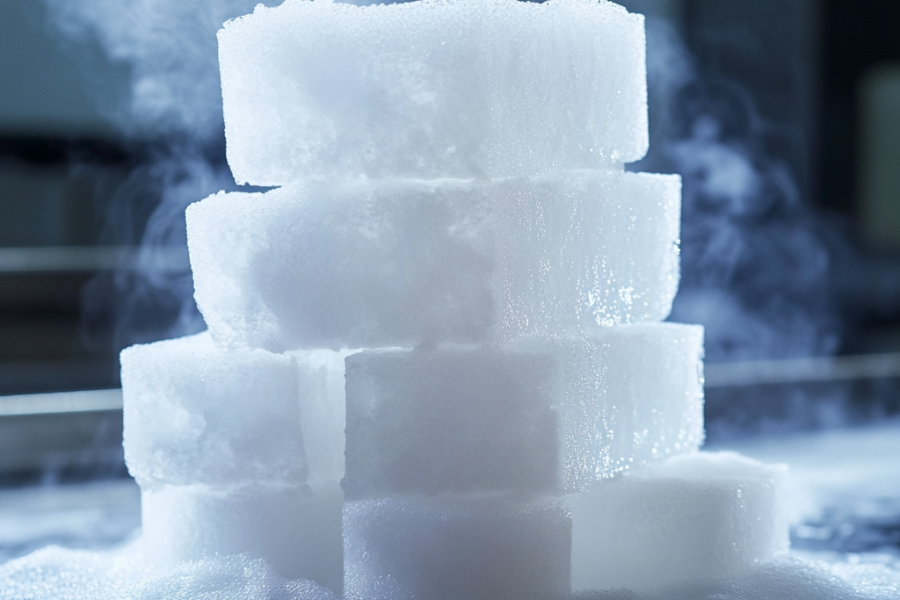
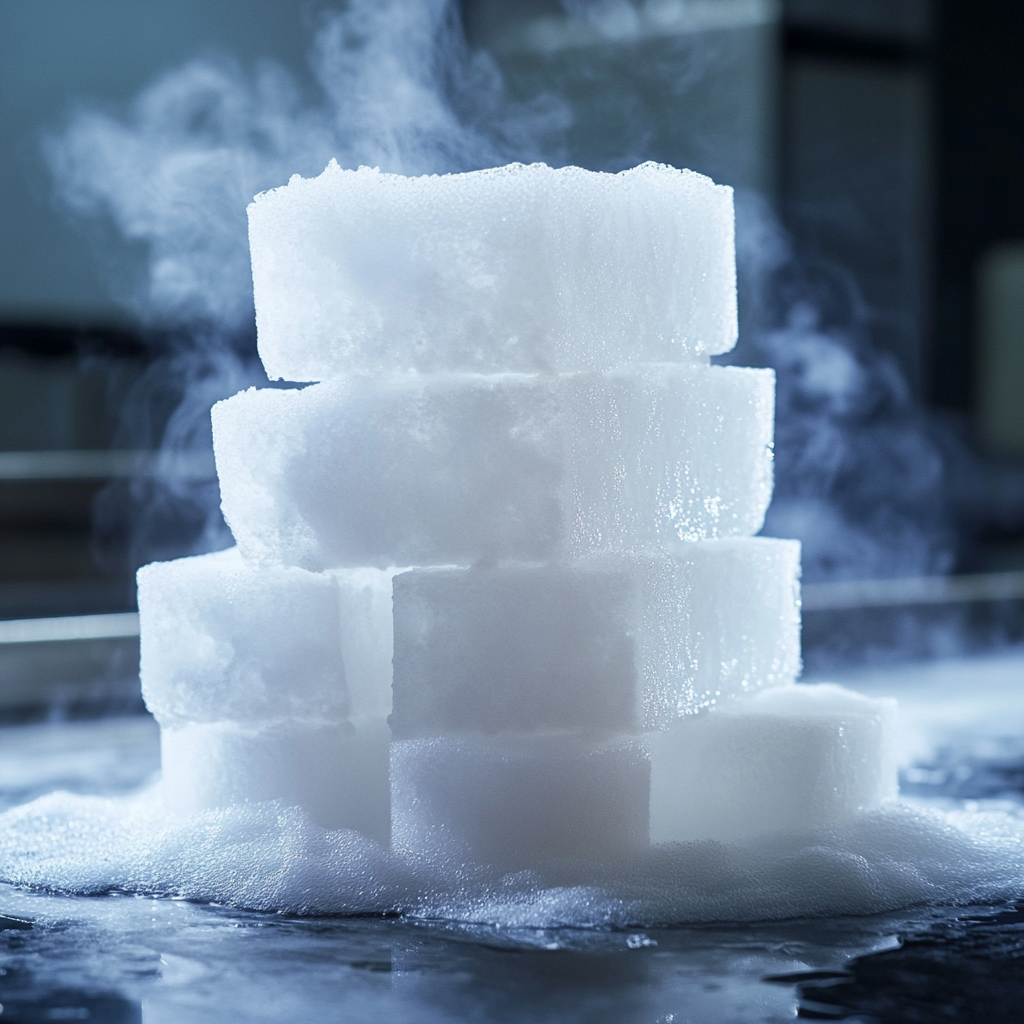
Beverage-grade dry ice is an ideal solution for shipping cell cultures over weekends or holidays. Its ultra-low sublimation temperature (-78.5°C) provides long-lasting cold without introducing moisture, which could damage samples.
Advantages of Dry Ice:
- Extended Cold Duration: Unlike ice packs, dry ice maintains sub-zero temperatures for extended periods, often outlasting shipment delays.
- Moisture-Free: Avoids condensation, which can harm samples or compromise packaging.
- Versatile Packaging: Works with a range of insulated boxes, foam liners, and thermal containers to meet different sample requirements.
- Flexible Formats: Pellets, slabs, or custom-sized pieces can be chosen depending on container size, shipment duration, and product sensitivity.
Dry ice is particularly useful for laboratories in Madison, WI, and surrounding communities where weekend shipping may involve overnight or multi-day transit to nearby cities or across state lines.
Insulated Packaging for Maximum Protection
Proper packaging is just as important as the cold source itself. Innovations in insulated shipping containers allow labs to maintain temperature stability during extended transit.
Key Features of Effective Packaging:
- High-Density Foam or Vacuum Panels: Minimize heat transfer and maintain ultra-low temperatures.
- Layering with Dry Ice: Prevents direct contact with samples while ensuring even cooling.
- Temperature Monitoring: Sensors or data loggers provide real-time tracking, alerting staff to potential deviations.
- Proper Ventilation: Essential when shipping dry ice to prevent gas buildup inside containers.
By combining beverage-grade dry ice with advanced insulated packaging, labs can confidently ship cell cultures over weekends or holidays without compromising viability.
Planning for Non-Standard Shipping
A key step in maintaining cell culture integrity is planning ahead. Weekend or holiday shipments require careful coordination with couriers and internal teams:
- Schedule Shipments Strategically: Send cultures early in the week whenever possible to minimize storage in transit during peak holiday periods.
- Coordinate with Couriers: Confirm weekend or holiday delivery options and ensure your courier has experience handling dry ice shipments.
- Use Reliable Suppliers: Partner with trusted local dry ice providers who can guarantee timely delivery of beverage-grade dry ice in the right format.
- Label and Document Properly: Include clear instructions for handling, temperature requirements, and dry ice weight for compliance with safety regulations.
For labs in Madison and surrounding areas, working with a local provider like A+ Heler’s ensures prompt delivery and high-quality dry ice that aligns with shipping schedules.
Best Practices for Preparing Cell Cultures for Shipping
- Pre-Chill Containers and Samples: Lower container and sample temperature before packing to reduce heat absorption during transit.
- Minimize Air Gaps: Ensure samples are snug in the packaging to reduce air pockets that accelerate warming.
- Avoid Overpacking: Too much dry ice can increase sublimation rates, while too little risks warming—calculate carefully.
- Use Secondary Containment: Protect samples from accidental dry ice contact, which can cause freezing damage.
- Monitor Temperature: Use time-temperature indicators or data loggers for sensitive shipments.
These practices help preserve cell viability and reduce the risk of compromised experiments during longer or unpredictable transit periods.
Tips for Weekend or Holiday Shipping Success
- Communicate with Receiving Labs: Ensure the destination is prepared to receive and immediately store cultures upon arrival.
- Include Redundant Cold Sources: Consider gel packs or secondary insulation to buffer temperature fluctuations.
- Verify Courier Compliance: Ensure your shipping provider is certified to handle dry ice and adheres to DOT and IATA regulations.
- Educate Staff: Proper handling, packing, and shipping procedures reduce errors and improve culture survival rates.
Local Solutions for Madison, WI, and Surrounding Areas
Labs and small biotech operations in Madison, Sun Prairie, Fitchburg, Middleton, and Verona face similar shipping challenges. Partnering with a reliable local dry ice supplier ensures:
- Quick access to beverage-grade dry ice in pellets, slabs, or custom formats.
- Expert advice on quantity and packaging for extended transit.
- Support during high-volume periods or holidays to maintain continuity in research.
Local suppliers reduce the risk of delays and allow labs to respond quickly to unexpected shipping needs, keeping experiments and projects on track.
Why Beverage-Grade Dry Ice is the Preferred Choice
Not all dry ice is created equal. Beverage-grade dry ice offers:
- Consistent Purity: Reduces contamination risk for sensitive cell cultures.
- Predictable Sublimation: Makes planning shipping duration and packaging easier.
- Regulatory Compliance: Designed for safe shipping in line with DOT and IATA guidelines.
Using a high-quality, reliable source of beverage-grade dry ice is essential for labs shipping cell cultures over weekends or holidays. It minimizes risk and ensures cultures arrive in viable, usable condition.
Conclusion
Maintaining cell culture viability during weekend or holiday shipping requires a combination of planning, high-quality materials, and proper handling. Beverage-grade dry ice, when paired with insulated packaging and monitoring technology, provides an effective solution to preserve delicate cultures during extended transit.
For labs and research operations in Madison, WI, and surrounding areas like Sun Prairie, Fitchburg, Middleton, and Verona, partnering with a trusted dry ice supplier ensures:
- Timely delivery of high-quality dry ice.
- Guidance on the right format and quantity for your samples.
- Safe and compliant shipping practices for sensitive cultures.
By following best practices for packing, handling, and monitoring, researchers can protect their cell cultures, maintain experimental integrity, and reduce the risk of costly losses due to temperature fluctuations. Whether you’re shipping probiotics, enzymes, or mammalian cells, beverage-grade dry ice is a reliable tool that ensures your cultures arrive safe, viable, and ready for research.
