
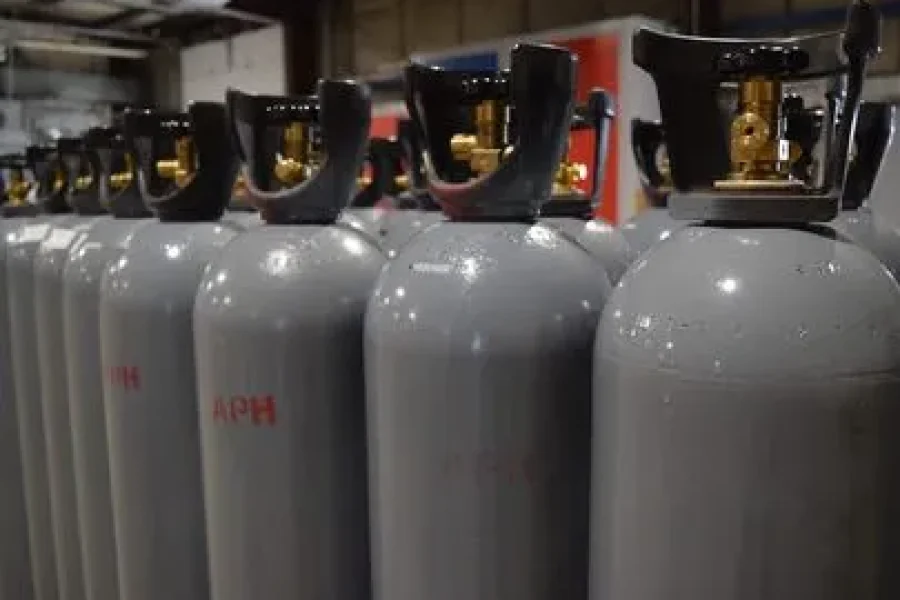
Carbonation is one of the most important elements in the beverage experience. It adds texture, enhances flavor, and gives drinks that refreshing fizz consumers love. For small beverage producers, craft soda makers, and kombucha brewers, using CO₂ (carbon dioxide) for natural carbonation is a reliable, safe, and consistent way to achieve quality results. Unlike chemical additives or artificial methods, CO₂ allows beverage creators to maintain control over taste, mouthfeel, and product quality.
In this guide, we’ll explore the science behind CO₂ carbonation, the benefits of using CO₂ for non-alcoholic beverages, practical methods for small producers, and tips for maintaining consistent carbonation across batches. Whether you’re a kombucha brewer in Madison, WI, a craft soda startup in Sun Prairie, or a specialty beverage company in Middleton, understanding CO₂ carbonation can elevate your products and create memorable drinking experiences.
Why CO₂ Is Essential for Beverage Carbonation
Carbon dioxide is a naturally occurring gas that dissolves into liquids under pressure, creating carbonation. This process has several key benefits:
- Enhanced Mouthfeel: Carbonation provides a crisp, effervescent sensation that makes beverages more refreshing.
- Flavor Enhancement: The slight acidity from dissolved CO₂ can intensify flavors and balance sweetness in sodas and kombucha.
- Preservation: Carbonation can slightly inhibit microbial growth, extending shelf life for certain non-alcoholic drinks.
- Consistency: Using CO₂ allows producers to standardize carbonation levels across batches, ensuring every bottle tastes the same.
For small beverage companies, these benefits are crucial. Consumers expect both quality and consistency, and CO₂ carbonation provides a reliable way to meet these expectations without altering natural ingredients.
Natural Carbonation vs. Forced Carbonation
There are two main approaches to carbonating beverages:
1. Natural Carbonation:
- Relies on fermentation to produce CO₂ within the beverage itself.
- Common in kombucha, ginger beer, and some craft sodas.
- Produces subtle, complex carbonation but can be inconsistent if fermentation varies.
2. Forced Carbonation with CO₂:
- Injects CO₂ directly into the beverage under controlled pressure.
- Allows precise control of carbonation levels for each batch.
- Ideal for small beverage producers shipping products, selling in stores, or creating specialty drinks with consistent fizz.
While natural fermentation is appealing for traditional and artisanal products, many producers combine it with forced carbonation to standardize effervescence, prevent over-carbonation, and ensure consistent quality across all bottles.
How CO₂ Carbonation Works
Carbonation occurs when CO₂ dissolves in liquid under pressure. Temperature, pressure, and beverage composition all affect how much gas dissolves:
- Lower temperatures: Colder liquids hold more CO₂, which is why beverages are carbonated best when chilled.
- Higher pressures: Pressurizing the container increases the amount of CO₂ dissolved in the liquid.
- Sugar content and acidity: Ingredients like sugar and acids can influence how CO₂ binds to the liquid, impacting fizziness and taste.
Small-scale beverage producers can control carbonation levels by monitoring these factors during the bottling or kegging process. For example, kombucha brewers often use CO₂ in kegs to achieve consistent carbonation while retaining natural flavor complexity.
Benefits of Using CO₂ for Craft Sodas
Craft soda makers face unique challenges. Unlike large commercial brands, small producers need flexibility and precision:
- Control Over Carbonation: Small batches can vary in natural fermentation, but CO₂ allows producers to achieve the exact level of fizz desired.
- Faster Production: CO₂ reduces the need to wait for natural fermentation to create bubbles, allowing more frequent batch production.
- Consistency Across Flavors: Different soda flavors may ferment or release gas differently. CO₂ ensures uniform carbonation across multiple flavors.
- Shelf Stability: Proper carbonation can prevent flat soda during transport, maintaining consumer satisfaction for bottled or canned products.
For beverage makers in Madison, WI, and surrounding areas like Sun Prairie, Fitchburg, and Middleton, CO₂ provides a practical solution to meet customer expectations while scaling production efficiently.
CO₂ Carbonation for Kombucha
Kombucha is a naturally fermented tea that produces CO₂ during fermentation. However, the level of carbonation can be inconsistent due to variations in fermentation time, temperature, or microbial activity. Using CO₂ allows small kombucha producers to:
- Achieve precise carbonation for each batch.
- Maintain flavor balance without over-carbonation.
- Improve shelf stability for shipping to stores or customers.
For producers shipping kombucha regionally or nationwide, beverage-grade CO₂ ensures that bottles arrive fizzy, fresh, and ready for consumption.
Specialty Beverages and Experimental Carbonation
Beyond sodas and kombucha, CO₂ opens doors for innovative beverage creations:
- Sparkling juices and teas: Adds effervescence while preserving natural flavors.
- Herbal or botanical drinks: Provides a refreshing mouthfeel without altering delicate aromatics.
- Seasonal or limited-edition beverages: Allows controlled carbonation for specialty or experimental flavors.
By adjusting pressure, temperature, and delivery methods, small producers can experiment with carbonation levels, bubble size, and mouthfeel to create unique experiences that differentiate their products in a crowded market.
Safety and Handling Tips for CO₂
Working with CO₂ requires proper safety measures, especially in small production or home-based settings:
- Ventilation: Ensure production areas are well-ventilated to prevent CO₂ buildup.
- Proper Equipment: Use pressure-rated tanks, regulators, and fittings designed for beverage carbonation.
- Training: Anyone handling CO₂ should understand pressure management, safe connections, and emergency procedures.
- Monitoring: Regularly check tank levels and pressures to maintain consistent carbonation and prevent accidents.
By following these safety protocols, small beverage producers can safely harness the benefits of CO₂ while minimizing risks.
Choosing the Right CO₂ Supplier
Selecting a reliable CO₂ supplier is critical for small beverage producers. Key considerations include:
- Purity: Beverage-grade CO₂ ensures safety and maintains flavor integrity.
- Local Availability: Working with local suppliers in Madison, WI, or nearby areas ensures timely delivery and reduces downtime.
- Support and Expertise: Suppliers with experience in craft beverages can offer guidance on tank sizes, pressure settings, and carbonation techniques.
- Flexibility: Small producers often need varying quantities; suppliers that provide both small and bulk orders can accommodate fluctuating demand.
Partnering with an expert CO₂ provider, like A+ Heler’s, ensures consistent, high-quality carbonation for every batch.
Tips for Small Beverage Producers
- Start Small: Begin with test batches to find the perfect carbonation level.
- Monitor Temperature: Chill liquids before carbonation to maximize CO₂ solubility.
- Label Clearly: Indicate carbonation levels and expiration to educate consumers.
- Invest in Quality Equipment: Reliable regulators, tanks, and bottling systems prevent loss of carbonation.
- Keep Extra CO₂ on Hand: Avoid production delays by maintaining sufficient inventory for seasonal peaks or special orders.
By combining these best practices with beverage-grade CO₂, producers can achieve consistent, high-quality carbonation that delights customers and maintains brand reputation.
Conclusion
For small producers of craft soda, kombucha, and specialty beverages, carbonation is more than just bubbles—it’s a key part of the flavor, texture, and consumer experience. Using CO₂ for natural carbonation offers precise control, consistency, and safety, ensuring that every bottle delivers the intended refreshment and quality.
From local Madison, WI producers to regional distributors in Sun Prairie, Middleton, and Fitchburg, beverage-grade CO₂ supports efficient production, consistent taste, and reliable shipping. By following proper handling practices, investing in quality equipment, and working with a trusted supplier, small beverage companies can harness the power of CO₂ to create sparkling, flavorful, and memorable non-alcoholic drinks.
