
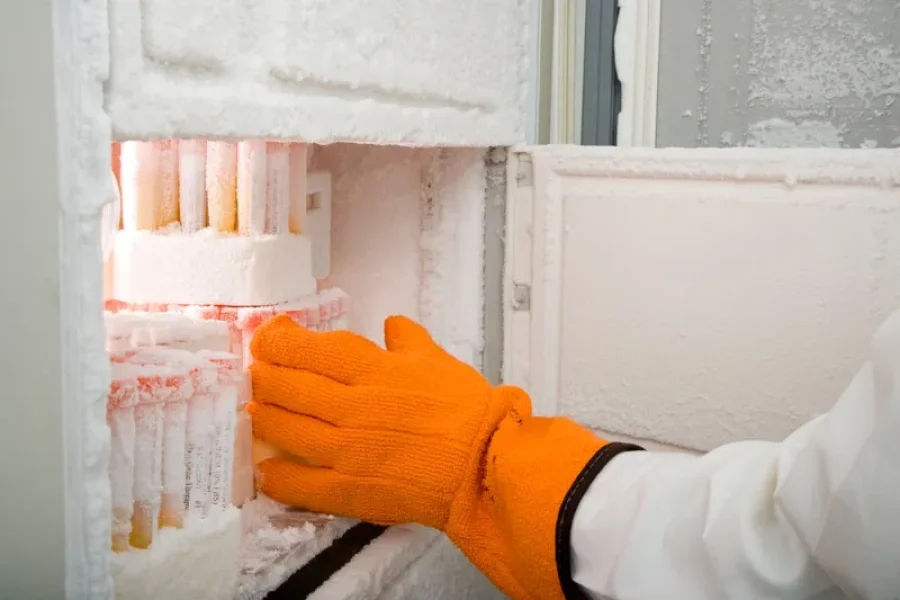

The global probiotics market has seen rapid growth in recent years, driven by increasing awareness of gut health, the connection between diet and wellness, and consumer demand for functional foods. From yogurt and kefir to dietary supplements and capsules, probiotics have moved from niche products to everyday staples. Behind the scenes, however, the successful delivery of probiotics to consumers depends on reliable supply chain solutions. Because probiotics are live microorganisms, they are highly sensitive to temperature fluctuations. Without proper handling, their effectiveness — and therefore their value — can be compromised.
Dry ice plays a critical role in protecting the integrity of probiotics as they move through production, testing, and shipping. At A+ Heler’s, we specialize in providing high-quality beverage-grade dry ice, ensuring purity and safety beyond standard food-grade options. For producers, labs, and shippers in Madison, WI, and beyond, A+ Heler’s delivers tailored solutions to keep probiotics viable and effective.
This article explores how the probiotics industry is evolving, why dry ice is essential, and the best practices businesses can follow to maintain quality throughout the supply chain.
The Rise of the Probiotics Market
Probiotics are live bacteria and yeasts that support digestive health, immune function, and even mental well-being. Consumers are increasingly incorporating probiotics into their diets through:
- Functional foods and beverages: Yogurt, kombucha, kefir, and probiotic-fortified snacks.
- Dietary supplements: Capsules, powders, and sachets containing concentrated probiotic strains.
- Medical and specialty products: Probiotics for targeted therapies, clinical research, and healthcare.
According to market reports, the global probiotics industry is projected to grow significantly over the next decade, fueled by health-conscious consumers and continued product innovation. But this growth also places pressure on manufacturers and distributors to maintain rigorous standards for storage, handling, and transportation.
Why Temperature Control is Critical for Probiotics
Probiotics are living organisms, and their survival directly impacts product quality. Unlike many processed foods, probiotics cannot withstand wide temperature fluctuations without losing potency.
- Heat sensitivity: Excessive warmth can kill probiotic bacteria, rendering products less effective.
- Moisture risk: Condensation from melting ice or gel packs can damage packaging or compromise product stability.
- Shelf life concerns: Maintaining cold or frozen storage extends the lifespan of probiotics, ensuring they reach consumers with maximum viability.
For these reasons, dry ice has become a trusted solution in transporting probiotics safely and effectively.
The Role of Dry Ice in Probiotics Logistics
Dry ice offers unique benefits that make it ideal for probiotic handling and transport:
- Ultra-Low Temperatures
At -109.3°F (-78.5°C), dry ice can maintain frozen conditions well below what traditional refrigeration provides. This level of cold is crucial for stabilizing probiotics during long shipping journeys. - No Residue
Unlike water-based ice, dry ice sublimates directly into carbon dioxide gas. This means no liquid mess, no risk of moisture damage, and no need for secondary containment to catch meltwater. - Extended Cold Chain Support
Dry ice can keep shipments frozen for days when used in the right quantities and with proper insulation. This reliability is especially important for international shipping or when transporting probiotics across multiple distribution hubs. - Compliance and Safety
Dry ice is widely recognized by shipping carriers and regulatory agencies as a safe cooling agent when packaged and labeled correctly. This makes it a standard in the pharmaceutical, medical, and food industries alike.
Beverage-Grade Dry Ice: A+ Heler’s Advantage
While many suppliers offer food-grade dry ice, A+ Heler’s provides beverage-grade dry ice, which exceeds food-grade standards. This higher purity level is the same quality trusted in beverage carbonation, where strict safety and cleanliness requirements are enforced.
For probiotic manufacturers, labs, and distributors, this means:
- Greater confidence in purity: No risk of contaminants compromising sensitive probiotic cultures.
- Consistent quality: Every shipment is backed by a reliable, high-purity source.
- Alignment with strict standards: Whether serving consumer food products or clinical research, beverage-grade dry ice supports compliance.
This added assurance is invaluable in a market where consumer trust depends on delivering viable, effective products.
Best Practices for Shipping Probiotics with Dry Ice
To maximize the effectiveness of dry ice in probiotic logistics, businesses should follow best practices for packaging, handling, and shipping.
- Use Proper Insulated Containers
Styrofoam or specialized insulated shipping coolers inside sturdy outer boxes are recommended. This helps extend the life of dry ice and maintain consistent internal temperatures. - Calculate the Right Amount of Dry Ice
The required amount depends on shipment size, container insulation, and duration in transit. As a rule of thumb, 5–10 pounds of dry ice can maintain frozen conditions for 24 hours in a mid-sized cooler. Larger or longer shipments will require more. - Prevent Direct Contact with Probiotics
Place a protective barrier between dry ice and probiotic products to avoid damage from extreme cold. Cardboard, paper, or plastic dividers work well. - Allow for Ventilation
Dry ice sublimates into carbon dioxide gas, which needs space to escape. Containers should not be airtight, and proper labeling is required to comply with carrier regulations. - Time Shipments Strategically
Shipping early in the week reduces the risk of weekend delays, ensuring probiotics arrive quickly and with minimal exposure to fluctuating conditions. - Communicate with Recipients
Inform customers, labs, or retailers that packages contain dry ice so they are prepared for safe handling upon delivery.
Applications Across the Probiotics Industry
The probiotics market is diverse, and dry ice supports many segments:
- Food and Beverage Manufacturers: Shipping yogurt, kefir, kombucha, and fortified foods requires reliable temperature control to maintain quality and shelf life.
- Supplement Producers: Capsules and powders containing live probiotics must remain stable until they reach customers.
- Research and Development Labs: Probiotic cultures used in testing and product development rely on cold chain integrity to preserve strain viability.
- Medical Applications: In clinical studies or healthcare settings, dry ice ensures sensitive probiotic products remain potent for accurate results and patient safety.
Across all of these sectors, dry ice is the link between innovation and consumer trust.
Why Work with a Local Supplier Like A+ Heler’s
Partnering with a local, experienced supplier provides several advantages for businesses in the probiotics space:
- Consistent Access: Reliable supply of dry ice reduces the risk of last-minute shortages.
- Flexible Options: From pellets to slabs, A+ Heler’s offers forms of dry ice suited to different packaging and shipping needs.
- Personalized Service: Local suppliers understand regional logistics challenges and can help optimize orders for efficiency.
- Quality Assurance: Beverage-grade dry ice ensures the highest level of purity and compliance.
For probiotic producers in Madison, WI, and surrounding areas, A+ Heler’s offers a trusted resource that keeps operations running smoothly and customers satisfied.
Looking Ahead: Probiotics and the Future of Cold Chain Solutions
As the probiotics market continues to expand, cold chain logistics will only grow in importance. Advances in insulated packaging, tracking technologies, and sustainable shipping will complement the reliable foundation that dry ice provides. Businesses that invest in best practices today will be better prepared to meet tomorrow’s demand for safe, effective probiotic products.
A+ Heler’s is proud to support this growth by providing reliable dry ice solutions for food producers, labs, and medical couriers alike. With a focus on purity, consistency, and responsive service, we help ensure probiotics reach consumers in the best possible condition.
Conclusion
The success of the probiotics industry depends not just on innovative products but also on the reliability of the supply chain that delivers them. Dry ice remains one of the most effective and trusted tools for protecting probiotics during storage and shipping, safeguarding their potency from production to consumption.
By choosing A+ Heler’s and our beverage-grade dry ice, businesses gain more than just a cooling agent — they gain a partner in quality assurance. For producers, labs, and distributors in Madison, WI, and beyond, A+ Heler’s is here to support the growing probiotics market with tailored, high-purity dry ice solutions.
