
Introduction
In the commercial and industrial sectors, the use of dry ice is indispensable for applications ranging from cold chain logistics to medical transport. However, with the increasing demand for environmental sustainability, reducing dry ice waste has become a priority. Companies like A+ Heler’s Dry Ice & CO₂, a trusted local supplier in Madison, WI, are leading the charge by offering innovative solutions for better insulation and packaging design. This article explores the best practices and eco-friendly materials that can help industries minimize dry ice waste effectively.
Understanding the Problem of Dry Ice Waste
Dry ice, primarily composed of solid carbon dioxide (CO₂), sublimates directly from solid to gas without leaving liquid residue. While this property is beneficial for many applications, it also leads to significant waste if not managed properly. In commercial settings such as cold chain logistics, medical courier services, and industrial supply, minimizing this waste is crucial for cost efficiency and environmental compliance.
According to A+ Heler’s, addressing dry ice waste begins with understanding its sublimation rate, which can be influenced by factors like packaging design and environmental conditions. By optimizing these factors, businesses can not only reduce waste but also enhance their operational reliability and compliance with environmental regulations.
Innovative Materials for Enhanced Insulation
Traditional packaging materials often fail to provide the necessary insulation to significantly reduce dry ice sublimation. Here, we explore some innovative materials that are gaining traction in the industry:
- Vacuum Insulated Panels (VIPs): These panels offer superior thermal insulation due to their low thermal conductivity. They are especially useful in maintaining the temperature of dry ice for extended periods, making them ideal for cold chain logistics and medical specimen transport.
- Aerogels: Known for their lightweight and strong insulating properties, aerogels are increasingly used in packaging design. Their ability to maintain low temperatures for longer durations helps in reducing dry ice waste significantly.
- Phase Change Materials (PCMs): PCMs absorb and release thermal energy during the process of melting and freezing. When integrated into packaging, they help in maintaining a stable temperature, thereby reducing the rate of dry ice sublimation.
For more insights on how these materials can be effectively used, refer to A+ Heler’s article on environmental benefits of innovative dry ice production.
Designing Effective Packaging for Dry Ice
Effective packaging design is as crucial as the materials used. Here are key considerations:
- Layered Design: Incorporating multiple layers of insulation can significantly reduce heat transfer. This design is particularly beneficial for temperature-sensitive shipping, such as in medical courier services and clinical trial logistics.
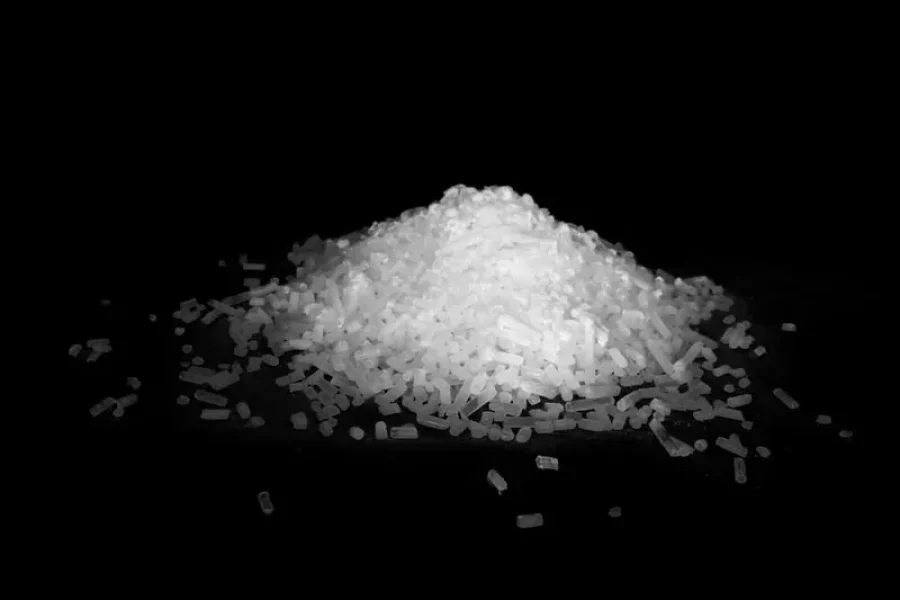
- Custom Dry Ice Sizes: Using custom dry ice sizes, such as pellets, blocks, and slabs, tailored to specific transport needs, can optimize usage and reduce waste.
- Sealed Enclosures: Ensuring airtight seals in packaging can minimize sublimation by reducing exposure to ambient air.
For detailed guidelines on effective packaging, visit A+ Heler’s resource on the best way to ship frozen foods with dry ice.
Eco-Friendly Alternatives and Their Impact
As industries strive for sustainability, eco-friendly alternatives to traditional dry ice are being explored. These alternatives not only reduce waste but also lower carbon footprints:
- Reusable Gel Packs: These packs serve as a substitute for dry ice in some applications, providing a more sustainable solution with less waste.
- Biodegradable Insulation: Made from renewable resources, these materials offer an eco-friendly option for insulation, aligning with sustainability goals.
Implementing these alternatives can lead to significant environmental benefits, as discussed in A+ Heler’s exploration of dry ice solutions for warehouse operations.
Role of A+ Heler’s in Sustainable Dry Ice Solutions
A+ Heler’s Dry Ice & CO₂ is at the forefront of providing sustainable solutions for dry ice usage. As a local Madison, WI producer, they offer high-density, slow-sublimation, beverage-grade dry ice, ensuring minimal waste and maximum efficiency in commercial applications.
Their expertise extends to offering guidance on CO₂ refills, with a focus on high-purity CO₂ cylinder refills for various industries including beverage carbonation and greenhouse enrichment. Their commitment to sustainability is evident in their reliable service and innovative product offerings.
For more on how A+ Heler’s supports businesses in navigating CO₂ supply challenges, check out their article on navigating CO₂ supply constraints.
Conclusion
Reducing dry ice waste is essential for commercial and industrial sectors aiming for sustainability and efficiency. By adopting innovative materials and effective packaging designs, businesses can significantly reduce their environmental impact. A+ Heler’s Dry Ice & CO₂ stands as a trusted partner in this endeavor, providing high-quality dry ice and CO₂ solutions. To learn more about optimizing your dry ice usage and reducing waste, visit A+ Heler’s website or contact them directly for expert advice and service.
