
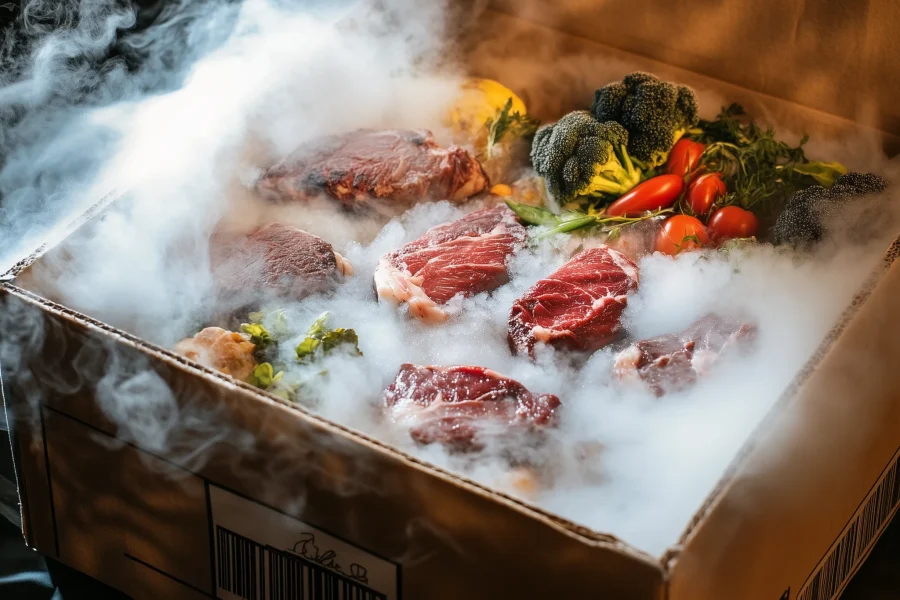
In large-scale storage facilities—whether food warehouses, cold storage operations, or distribution centers—product loss is one of the most persistent and expensive operational risks. Unlike catastrophic failures such as full freezer outages, most losses occur gradually: temperature fluctuations, handling inefficiencies, delayed shipments, and small inconsistencies that compound over time.
For operations managers and logistics leaders, the goal isn’t just responding to emergencies—it’s preventing loss before it happens. This is where dry ice plays a strategic role. When integrated into daily operations, dry ice becomes a proactive tool for maintaining temperature stability, protecting inventory, and reducing waste across the supply chain.
Facilities that partner with a reliable, local supplier like A+ Heler’s Dry Ice & CO₂ are increasingly using dry ice not just for emergencies—but as part of a broader loss prevention strategy.
The Hidden Cost of Gradual Product Loss
Most large facilities don’t lose inventory all at once. Instead, loss typically occurs through small, avoidable failures:
- Minor temperature fluctuations during storage
- Delays in loading or unloading
- Inconsistent cold chain transitions
- Equipment inefficiencies
- Staging delays in distribution areas
These issues may not trigger alarms, but they degrade product quality over time. For food storage and temperature-sensitive goods, even slight deviations can reduce shelf life, increase spoilage risk, or result in rejected shipments.
Facilities focused on reducing loss must move beyond reactive strategies and adopt preventative measures that maintain temperature stability at every stage.
Preventative vs Reactive Dry Ice Use
Most facilities are familiar with using dry ice reactively—typically during emergencies such as freezer failures or power outages. However, reactive use only addresses problems after they occur.
Preventative use is different. It involves integrating dry ice into normal operations to reduce the likelihood of loss in the first place.
Preventative strategies include:
- Stabilizing temperature during loading and unloading
- Supporting cold chain transitions between storage zones
- Protecting high-value inventory during staging delays
- Reinforcing temperature control in high-traffic areas
Facilities that adopt preventative dry ice strategies experience fewer disruptions and more consistent product quality.
Working with a supplier like A+ Heler’s allows operations to move from emergency ordering toward structured dry ice services that support ongoing operational needs.
Managing Temperature Fluctuations in High-Traffic Areas
One of the most common sources of product loss in large facilities is temperature fluctuation in high-traffic zones. Loading docks, staging areas, and transfer points are particularly vulnerable.
Every time a door opens, cold air escapes. During peak operations, these fluctuations can occur constantly.
Dry ice can be used to:
- Reinforce cooling in staging areas
- Protect palletized inventory awaiting shipment
- Maintain temperature consistency during transfers
By stabilizing these transition points, facilities reduce the risk of gradual temperature drift that compromises product integrity.
Many operations align these strategies with shipping services to ensure temperature control remains consistent throughout the distribution process.
Protecting Inventory During Delays
Delays are inevitable in large-scale logistics operations. Trucks arrive late, shipments are rescheduled, and inventory may sit longer than planned.
Without intervention, these delays can lead to:
- Temperature excursions
- Reduced product shelf life
- Increased spoilage risk
Dry ice provides a flexible solution for these scenarios. Instead of relying solely on fixed refrigeration, facilities can deploy dry ice to protect inventory during unexpected delays.
A+ Heler’s supports commercial operations with same-day availability, allowing facilities to respond quickly when timelines shift. This flexibility is especially valuable for high-volume warehouses managing unpredictable logistics schedules.
Supporting Cold Chain Continuity Across Zones
Large storage facilities often operate multiple temperature zones. Moving products between these zones introduces risk.
Transitions from freezer to staging, staging to transport, or between different storage environments can create gaps in temperature control.
Dry ice helps bridge these gaps by:
- Maintaining low temperatures during transfers
- Reducing exposure during handling
- Supporting consistent cold chain conditions
Facilities that integrate dry ice into these transitions reduce variability and improve overall product stability.
Reviewing broader industry applications can help operations teams identify where these transitions occur and how dry ice can support them effectively.
Reducing Loss in Overflow and Peak Demand Scenarios
During peak seasons or unexpected demand surges, facilities often operate at or beyond capacity. Overflow storage, temporary staging areas, and increased throughput all introduce additional risk.
Common challenges include:
- Limited refrigerated space
- Increased handling time
- Overloaded equipment
- Reduced temperature control in non-standard areas
Dry ice allows facilities to extend their temperature control capabilities beyond fixed infrastructure. By supplementing existing systems, operations can protect inventory even when demand exceeds normal capacity.
A+ Heler’s works with high-volume clients to provide scalable supply, including bulk dry ice solutions that support peak operational needs without compromising consistency.
Minimizing Loss From Equipment Inefficiencies
Not all temperature issues stem from major failures. Equipment inefficiencies—such as uneven cooling, aging systems, or localized performance issues—can create pockets of risk within a facility.
Dry ice can be used to:
- Reinforce weak cooling zones
- Support aging equipment during maintenance cycles
- Provide temporary stabilization during system adjustments
By addressing these inefficiencies proactively, facilities can extend equipment life while reducing product loss.
A+ Heler’s local production ensures that dry ice is available when these needs arise, allowing operations to respond quickly without relying on distant suppliers.
Planning Inventory Protection by Value and Risk
Not all inventory carries the same level of risk. Facilities that reduce loss effectively prioritize protection based on:
- Product sensitivity
- Regulatory requirements
- Profit margins
- Customer commitments
Dry ice strategies can be targeted accordingly. High-risk or high-value inventory can receive additional temperature support during vulnerable stages of handling and storage.
This targeted approach improves efficiency while maximizing impact.
Facilities often align these strategies with specialized food services or other sector-specific workflows to ensure compliance and consistency.
Safety Considerations in Preventative Use
While dry ice is highly effective, safe handling remains essential—especially in large facilities where it may be used across multiple zones and shifts.
Key considerations include:
- Proper ventilation in enclosed areas
- CO₂ monitoring where needed
- Employee training across departments
- Clear handling and storage procedures
A+ Heler’s supports commercial clients with detailed safety information and verified certifications, helping ensure preventative use remains safe and compliant.
Consistency in safety practices is critical when scaling dry ice use across large operations.
Why Local Supply Matters for Preventative Strategies
Preventative strategies depend on reliability. If dry ice is not consistently available, facilities cannot integrate it into daily operations.
Local production offers key advantages:
- Reduced sublimation loss
- Faster access during unexpected needs
- More predictable supply
- Greater flexibility in ordering
A+ Heler’s Madison-based production allows facilities to rely on a nearby source rather than long-haul distribution. This proximity supports both routine planning and rapid response.
Facilities that shift to local supply often see improved consistency and reduced waste.
Building Dry Ice Into Loss Prevention Strategy
Reducing product loss in large-scale storage facilities requires more than reactive problem-solving. It requires a proactive approach that integrates temperature control into every stage of operations.
Dry ice supports this approach by:
- Stabilizing high-risk areas
- Reinforcing cold chain transitions
- Protecting inventory during delays
- Supporting peak demand scenarios
- Reducing dependence on reactive measures
A+ Heler’s Dry Ice & CO₂ provides the reliable, high-density dry ice needed to implement these strategies effectively. Their focus on commercial-scale supply, local production, and operational alignment makes them a strong partner for facilities seeking to reduce loss.
Talk to a Local Expert Before Loss Impacts Your Operation
Product loss is rarely caused by a single failure. It builds over time through small inefficiencies and preventable risks.
If your warehouse, storage facility, or distribution center handles temperature-sensitive inventory, now is the time to evaluate your approach. Integrating dry ice into preventative strategies can significantly reduce loss and improve operational consistency.
A+ Heler’s works with large commercial facilities to align dry ice supply with real-world workflows. Many operations begin by exploring available dry ice services or starting a conversation through Get a Quote.
Preventing loss is always more cost-effective than recovering from it. With the right strategy—and the right supplier—you can protect inventory, reduce waste, and keep operations running smoothly.
