
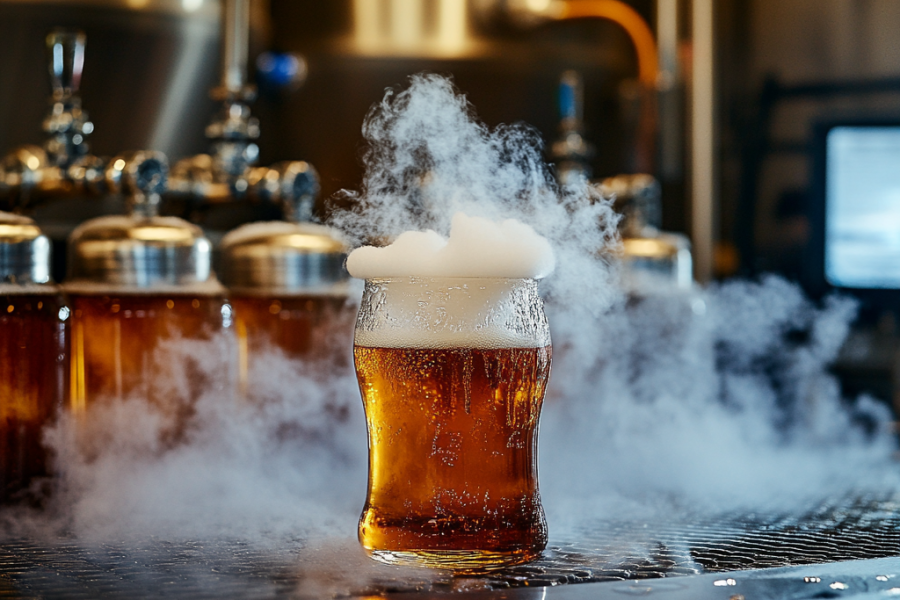
Craft beverage production is as much an art as it is a science. Whether you’re brewing beer, crafting kombucha, or producing specialty sodas in Madison, WI, maintaining flavor, quality, and consistency is critical. One often-overlooked tool in the small-batch production process is dry ice.
Unlike traditional ice or refrigeration, dry ice offers ultra-low temperatures, rapid cooling, and oxygen-free conditions that can dramatically improve product stability and taste. For local breweries, kombucha operations, and craft beverage makers in surrounding areas such as Sun Prairie, Fitchburg, Middleton, and Verona, leveraging dry ice can enhance production, reduce spoilage, and ensure every batch meets the highest standards.
Why Dry Ice Matters in Craft Beverage Production
Dry ice is solid carbon dioxide (CO₂) at -78.5°C, sublimating directly from solid to gas without leaving water behind. This unique property makes it ideal for beverage applications:
- Rapid Chilling: Dry ice cools liquids much faster than traditional ice, reducing production downtime and accelerating fermentation control.
- Carbonation and Oxygen Control: CO₂ gas released during sublimation can be used to purge oxygen from tanks and lines, minimizing oxidation that could degrade flavor.
- Residue-Free Cooling: Since it doesn’t melt into water, dry ice prevents dilution or contamination in sensitive craft beverages.
For small-batch producers, these advantages help maintain the integrity of delicate flavors, extend shelf life, and ensure consistent quality with every batch.
Rapid Chilling for Efficiency
One of the most immediate benefits of dry ice in craft beverage production is its ability to rapidly chill liquids.
- Temperature Control During Fermentation: Many craft beers and kombucha rely on precise fermentation temperatures to develop desired flavor profiles. Rapid chilling with dry ice allows brewers to quickly bring down temperatures after heating steps or exothermic fermentation processes.
- Faster Bottling and Packaging: By cooling tanks and bottles quickly, producers can move beverages into packaging lines sooner, reducing bottling time and increasing throughput.
- Maintaining Consistency: Consistent cooling helps ensure each batch of beer, soda, or kombucha tastes the same, batch after batch.
Madison-area small-batch breweries and kombucha makers benefit particularly from this efficiency, as they often work with limited staff and tight production schedules.
Carbonation and Oxygen Purging
Carbonation is essential to the flavor and mouthfeel of many craft beverages. Dry ice provides a unique, efficient way to achieve consistent carbonation and minimize oxidation:
- CO₂ Purging: As dry ice sublimates, it releases carbon dioxide gas, which can displace oxygen in fermentation tanks, bottling lines, or storage containers. This reduces the risk of oxidation, a common cause of off-flavors.
- Controlled Carbonation: Small batches benefit from precise control over CO₂ levels, allowing producers to tailor carbonation to each beverage type, whether it’s a lightly fizzy kombucha or a fully carbonated lager.
- Improved Shelf Life: Oxygen-free environments reduce spoilage and maintain the beverage’s intended taste, aroma, and effervescence over time.
Using dry ice for oxygen purging is especially useful for craft beverage makers in Madison who sell locally or distribute regionally, as it ensures products maintain quality from brewery to customer.
Applications in Small-Batch Brewing
Dry ice can be applied in multiple stages of small-batch brewing:
- Tank Cooling: Rapidly lowering the temperature of fermentation tanks or storage vessels to halt fermentation at the desired endpoint.
- Sample Chilling: Preparing taste samples or quality-control tests without altering the bulk batch.
- Bottle and Keg Filling: Purging oxygen from bottles or kegs during filling to maintain carbonation and prevent oxidation.
- Cleaning and Sanitization: Dry ice can also be used in partner services for equipment cleaning (blasting) without water or chemical residue.
Madison craft breweries often produce smaller quantities, so every batch counts. Dry ice allows precise control and repeatable results, ensuring high-quality beverages with minimal loss.
Safety Considerations
While dry ice offers significant benefits, proper handling is essential for safety:
- Ventilation: CO₂ gas can displace oxygen in confined spaces. Always ensure adequate ventilation.
- Protective Gear: Use insulated gloves when handling dry ice to prevent frostbite.
- Storage: Store dry ice in ventilated, insulated containers—not airtight boxes—to allow CO₂ gas to escape safely.
For Madison breweries and kombucha operations, training staff on dry ice handling and establishing safety protocols is a critical step in implementing this tool effectively.
Why Local Sourcing Matters
Reliable, high-density dry ice is essential for craft beverage production. Partnering with a local supplier in Madison has several advantages:
- Freshness: Locally produced dry ice is denser and lasts longer, reducing sublimation during storage and transport.
- Same-Day Availability: Quick access to dry ice ensures that production schedules aren’t delayed.
- Support and Expertise: Local suppliers like A+ Heler’s provide guidance on quantities, formats, and best practices for specific beverage applications.
- Proximity to Surrounding Areas: Breweries and kombucha makers in Fitchburg, Middleton, Sun Prairie, and Verona can all benefit from fast, dependable dry ice access.
By sourcing locally, craft beverage operations maintain continuity and reduce risk of production interruptions caused by delivery delays.
Best Practices for Using Dry Ice in Beverage Production
To maximize benefits, craft beverage producers should follow these best practices:
- Plan Quantity Carefully: Calculate dry ice needs based on tank size, batch volume, and cooling duration.
- Use Proper Containers: Insulated tanks and containers help minimize sublimation and maintain consistent temperature.
- Coordinate Timing: Add dry ice at the appropriate stage of brewing or fermentation to avoid over-chilling or excessive CO₂ release.
- Train Staff: Everyone handling dry ice should understand proper safety, handling, and storage procedures.
- Monitor Conditions: Use temperature sensors or indicators to track cooling performance and CO₂ levels throughout production.
Adhering to these practices ensures that each batch achieves the intended flavor profile, carbonation, and shelf stability.
Real-World Impact
A Madison kombucha brewer, for example, might experience uneven fermentation due to fluctuating temperatures, leading to inconsistent taste and fizz. By incorporating dry ice into the process:
- Temperature stabilization allows cultures to ferment optimally.
- CO₂ purging preserves flavor and carbonation.
- Rapid chilling speeds up batch processing, reducing downtime between production cycles.
The result is a consistently high-quality product that delights customers and reduces waste.
Similarly, craft beer breweries benefit from improved control over fermentation endpoints, more precise carbonation, and reduced oxidation, enhancing both flavor and shelf life.
Conclusion
Dry ice is a versatile, powerful tool for craft beverage producers in Madison, WI, and surrounding areas like Sun Prairie, Fitchburg, Middleton, and Verona. Its unique properties—ultra-low temperature, rapid cooling, residue-free sublimation, and oxygen purging—make it an invaluable asset for small-batch breweries, kombucha operations, and specialty beverage makers.
By integrating dry ice into production processes, craft beverage businesses can:
- Improve fermentation control and batch consistency
- Maintain flavor integrity and prevent oxidation
- Accelerate production timelines without sacrificing quality
- Enhance shelf life and customer satisfaction
For Madison-area craft beverage makers, partnering with a local, trusted dry ice supplier like A+ Heler’s ensures fresh, high-density dry ice and expert guidance tailored to your production needs. From rapid chilling to carbonation and oxygen control, dry ice helps your small-batch operation run efficiently and produce beverages that consistently meet the highest standards.
Contact A+ Heler’s today to discuss your dry ice needs for craft beverage production and elevate the quality of your next batch.
