

The food industry has always been a space of innovation, but in recent years, companies specializing in enzymes and cultures have become some of the most crucial players in shaping how our food is made, preserved, and delivered. From probiotic cultures that support gut health to enzymes that improve the efficiency of cheese-making, these companies are leading the way in developing solutions that combine science, nutrition, and consumer demand.
While their breakthroughs are impressive, there is one logistical factor that plays a critical role in their success—a consistent and reliable supply of CO₂ and dry ice. For companies that handle delicate cultures and enzymes, temperature stability and controlled conditions are essential to protecting product integrity. Without dependable CO₂ and dry ice, the entire supply chain can be disrupted, jeopardizing research, production, and distribution.
This article will explore why food enzyme and culture companies depend so heavily on CO₂ and dry ice, how each plays a role in their daily operations, and why choosing the right supplier matters.
The Unique Needs of Food Enzyme and Culture Companies
Food enzymes and cultures are unlike many other food industry ingredients because of their biological sensitivity. These products often contain living microorganisms, such as lactic acid bacteria, that must remain viable from the time they are developed in labs all the way through shipping and incorporation into food products.
Temperature fluctuations can harm or kill these cultures, reducing their effectiveness. Similarly, enzymes, though not alive, are proteins that lose activity if exposed to improper storage or transport conditions. For this reason, companies in this sector depend on specialized logistics—most notably, cold chain management supported by dry ice and CO₂.
Why CO₂ Matters for Food Enzyme and Culture Companies
Carbon dioxide isn’t just used for carbonation in beverages; it plays a critical role in food science and production. For culture and enzyme companies, CO₂ provides several advantages:
- Modified Atmosphere Packaging (MAP) – CO₂ is often used in packaging to extend the shelf life of food products. By replacing oxygen in packaging, CO₂ helps prevent spoilage and maintains the activity of sensitive enzymes and cultures until they reach their destination.
- Fermentation Support – Many cultures used in food products thrive under controlled CO₂ conditions. In some cases, CO₂ is part of the environment needed to regulate pH, oxygen levels, and microbial balance during fermentation.
- Lab and Production Environments – Research labs and pilot plants often use CO₂ to create controlled environments for experiments and scaling up production. A steady supply is essential for companies that continuously test and improve their culture and enzyme offerings.
- Safe, Reliable, and Inert – Because CO₂ is inert and non-flammable, it is considered a safe option for managing environments and packaging within this industry.
The Role of Dry Ice in Transporting Enzymes and Cultures
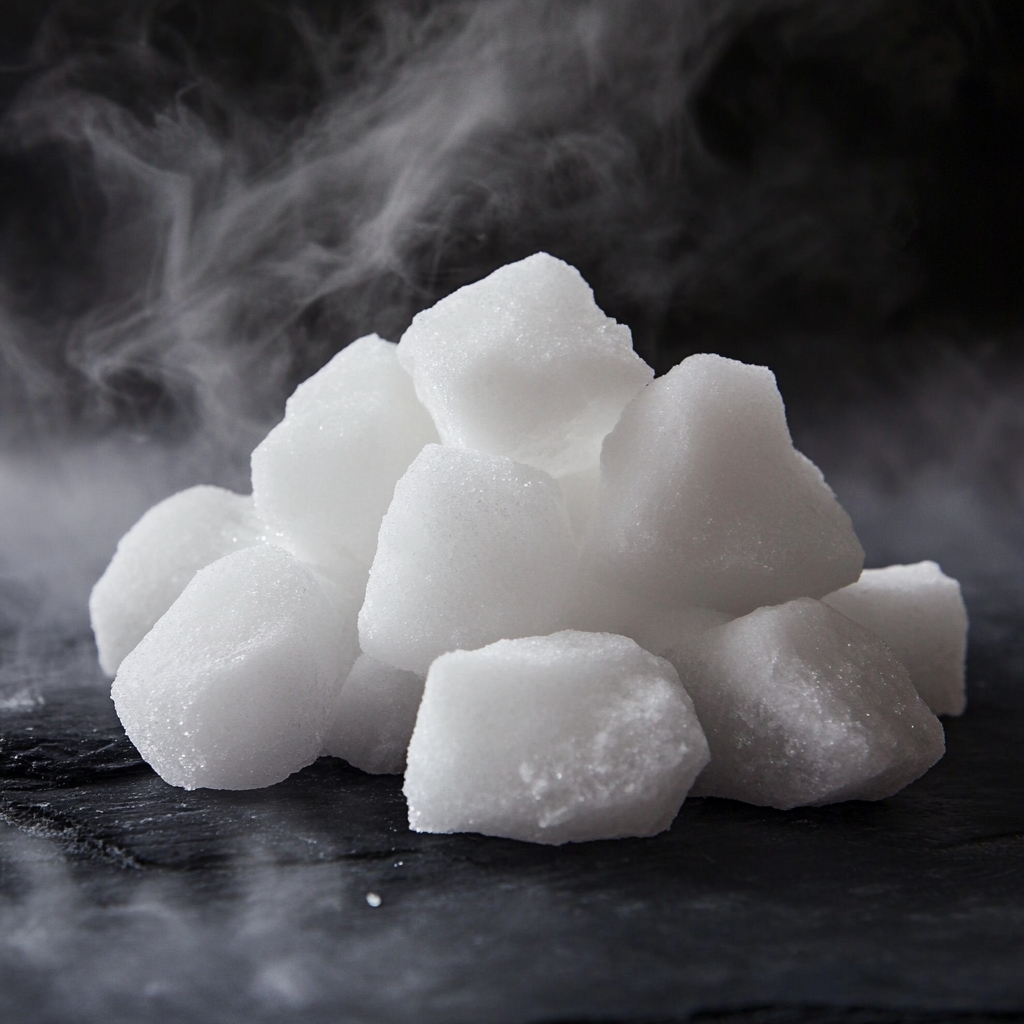
Dry ice—frozen carbon dioxide—is equally important in this field. Unlike regular ice, dry ice sublimates directly into gas, leaving no liquid residue that could compromise packaging. This makes it the ideal cooling agent for transporting enzymes and cultures.
Here’s how dry ice supports food enzyme and culture companies:
- Temperature Control During Shipping – Cultures and enzymes are typically shipped in insulated containers with dry ice to maintain sub-zero temperatures. This ensures product integrity even during long transit times.
- International Logistics – Many companies ship across borders, making shipping times longer and more complex. Dry ice provides the reliability needed for multi-day journeys.
- Specimen Integrity for Research – Beyond finished products, many companies also send samples of enzymes and cultures to research labs or partners. Dry ice guarantees these specimens arrive viable.
- Flexibility of Formats – Dry ice can be delivered in pellets or slabs depending on the application. Pellets are often used for small-scale, short-term shipping, while slabs are ideal for large shipments or international transport.
The Risks of Unreliable Supply
For companies in the food enzyme and culture space, an unreliable supply of CO₂ or dry ice can have significant consequences:
- Product Loss – Without proper cooling, cultures and enzymes can degrade, leading to wasted inventory.
- Interrupted Research – Labs and R&D facilities depend on steady supplies to continue developing innovative solutions. Interruptions in supply can stall projects.
- Regulatory Concerns – Food safety regulations often require specific conditions for storage and transport. Inadequate temperature control can lead to compliance issues.
- Customer Trust – Food producers depend on enzyme and culture companies to provide consistent, reliable ingredients. Failing to deliver intact products damages long-term business relationships.
Why Partnering with a Trusted Supplier Matters
Given the stakes, food enzyme and culture companies cannot afford to take risks with their CO₂ and dry ice supply. They need suppliers who:
- Understand the Industry – Not all CO₂ and dry ice suppliers specialize in supporting biological materials. Suppliers familiar with food cultures and enzymes can better anticipate needs and offer tailored solutions.
- Provide Multiple Formats – From 16mm pellets for domestic shipments to large slabs for international transport, flexibility in product form ensures every shipping requirement is met.
- Ensure Quality Standards – Beverage-grade CO₂ and dry ice are often preferred for food-related applications due to their purity and reliability.
- Offer Local Reliability – For companies based in areas like Madison, WI, having a local supplier like A+ Heler’s ensures fast turnaround times, even for urgent or emergency needs.
Looking Ahead: Growing Demand in Food Science
The probiotics and functional food markets are expanding rapidly, and with them, the demand for reliable culture and enzyme transport. More consumers are looking for foods that promote gut health, and companies are responding by incorporating innovative cultures and enzymes into dairy products, beverages, and supplements.
This growth means that the need for dependable CO₂ and dry ice suppliers will only increase. Companies that establish partnerships with reliable providers now will be better equipped to scale their operations and serve a growing market in the future.
Conclusion
Food enzyme and culture companies operate in one of the most dynamic and sensitive areas of the food industry. Their success depends not only on scientific innovation but also on reliable logistics. CO₂ and dry ice are the backbone of their storage, transport, and production processes.
Without a steady and high-quality supply, these companies risk product degradation, compliance issues, and lost trust with their customers. By partnering with a trusted local supplier like A+ Heler’s, food enzyme and culture companies can ensure that their products remain stable, effective, and ready to meet the needs of an expanding global market.
A+ Heler’s understands the unique requirements of this industry and provides the dependable CO₂ and dry ice supply that food enzyme and culture companies count on every day.
